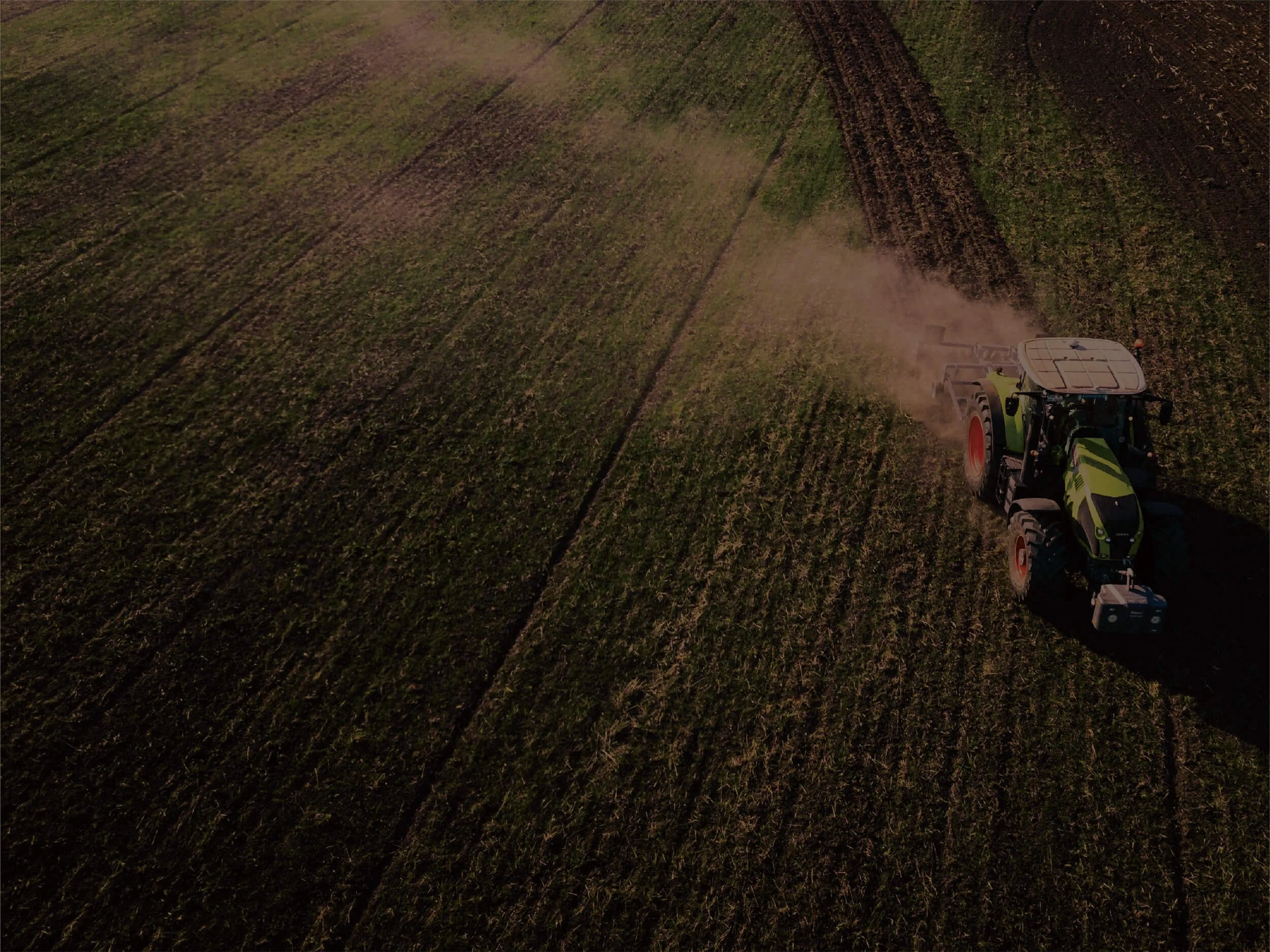
THE GLAN DEVON BIO-FERTILISER PROJECT is a proposed facility designed to turn treated biosolids into a dry, pelletised fertiliser for agricultural use.
This first-of-a-kind project in Australia aims to leverage proven technology to create sustainable solutions for farmers and communities across Southeast Queensland.
Sustainable farming
The project aims to improve how biosolids are managed in the South Burnett region and supports:

Crop productivity
Waste reduction

Creation of local jobs

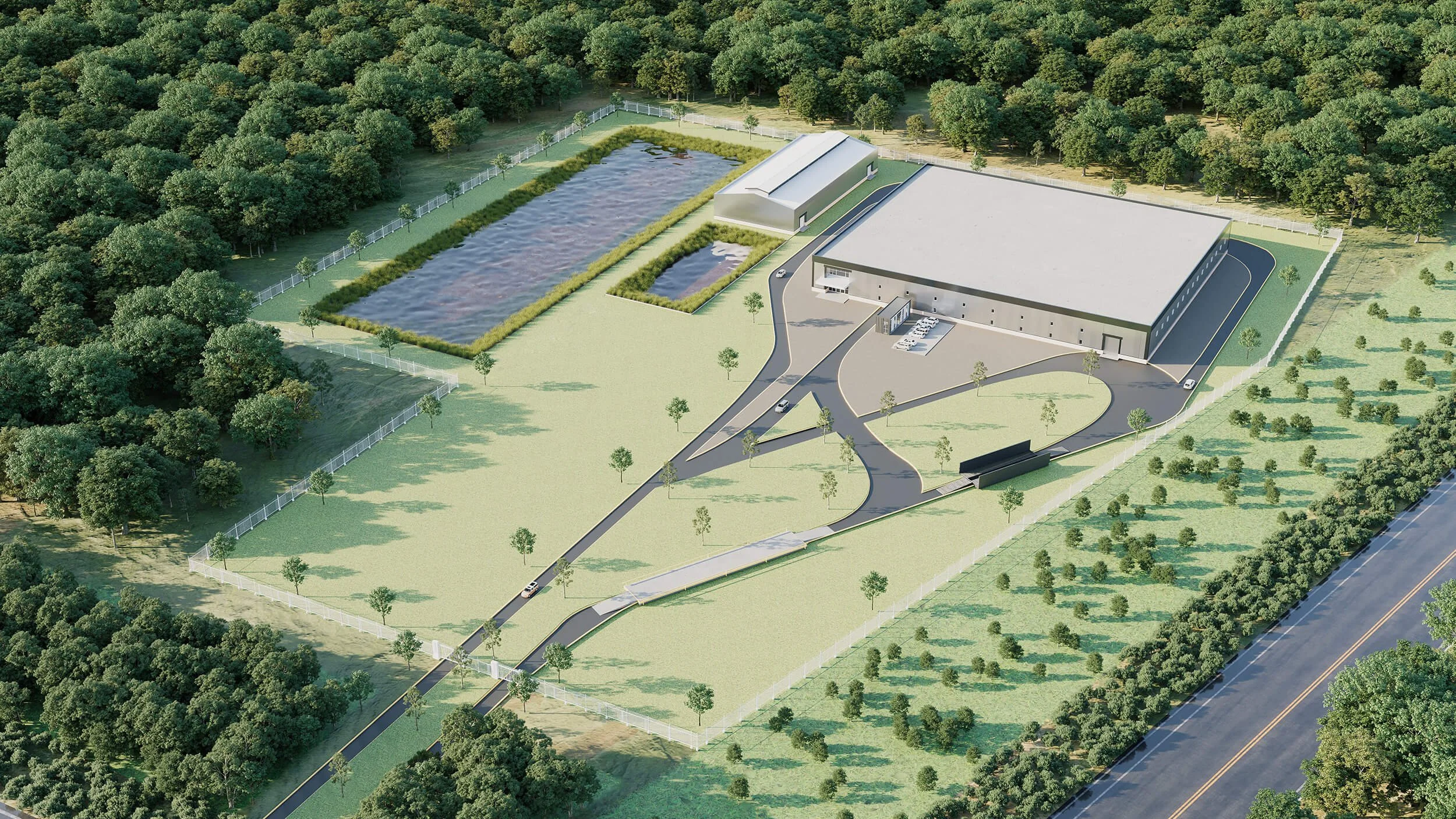
Proposed site design, located on the corner of Mondure Crossing Rd and Burnett Highway, Glan Devon
The Glan Devon Bio-Fertiliser Project Development Application is currently being assessed by Council.
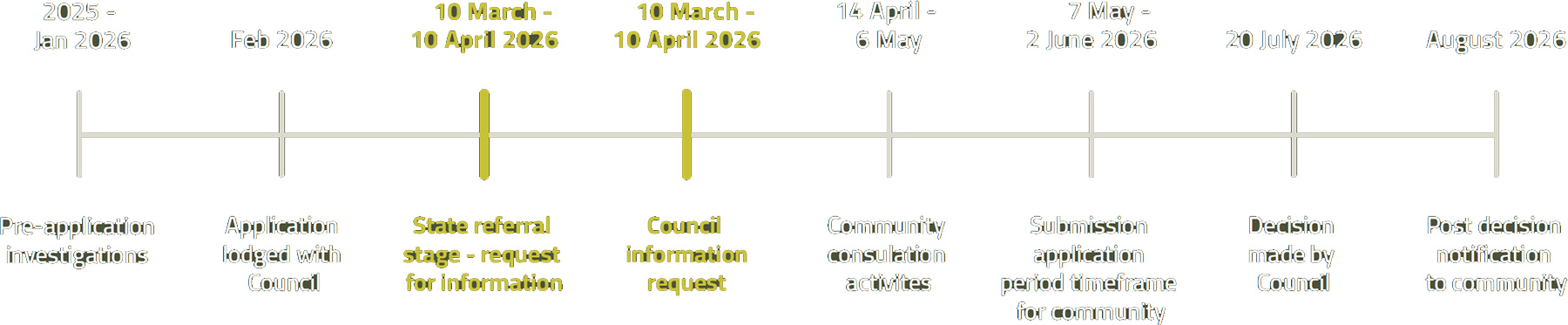
The proposed facility is progressing through a structured Development Assessment process, which includes several statutory stages set by the Queensland Government.
Each stage has defined statutory requirements, timeframes and opportunities for stakeholders and the community to access information or provide feedback.
The Development Application process ensures that environmental, technical, planning and community considerations are formally assessed before a decision is made.
Currently, the application is with the South Burnett Council and the State Assessment and Referral Agency (SARA) for assessment. Once approved, we will move into a public consultation and notification period.
Project development application stages
What are biosolids?
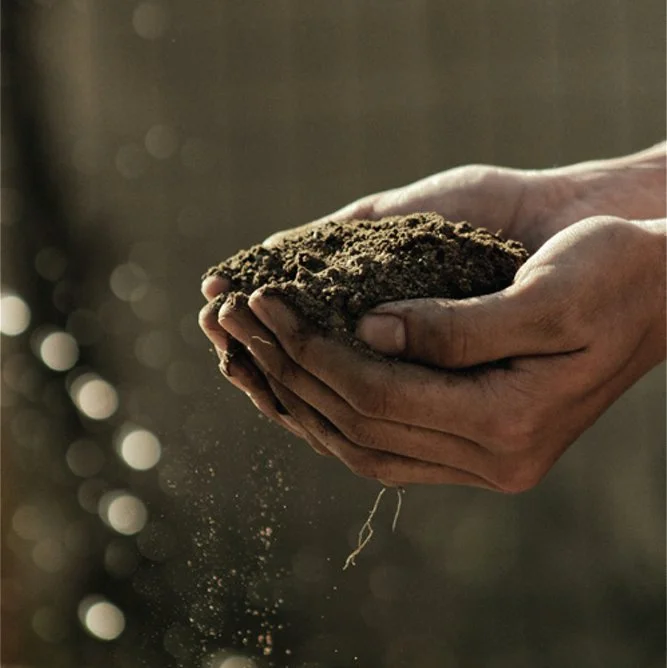
Biosolids are the safe, treated organic material that comes from cleaning wastewater.
Around 70% of the approximately 1.6 million tonnes of biosolids produced annually in Australia are already used in agriculture as soil conditioners and fertilisers.
How are biosolids currently used in the South Burnett region?
Across Australia, biosolids are widely used as soil conditioners and fertilisers. Around 70% of Australia’s biosolids are applied to agricultural land to improve soil health and productivity. In the South Burnett region:
Around 37,000 tonnes of biosolids are received each year.
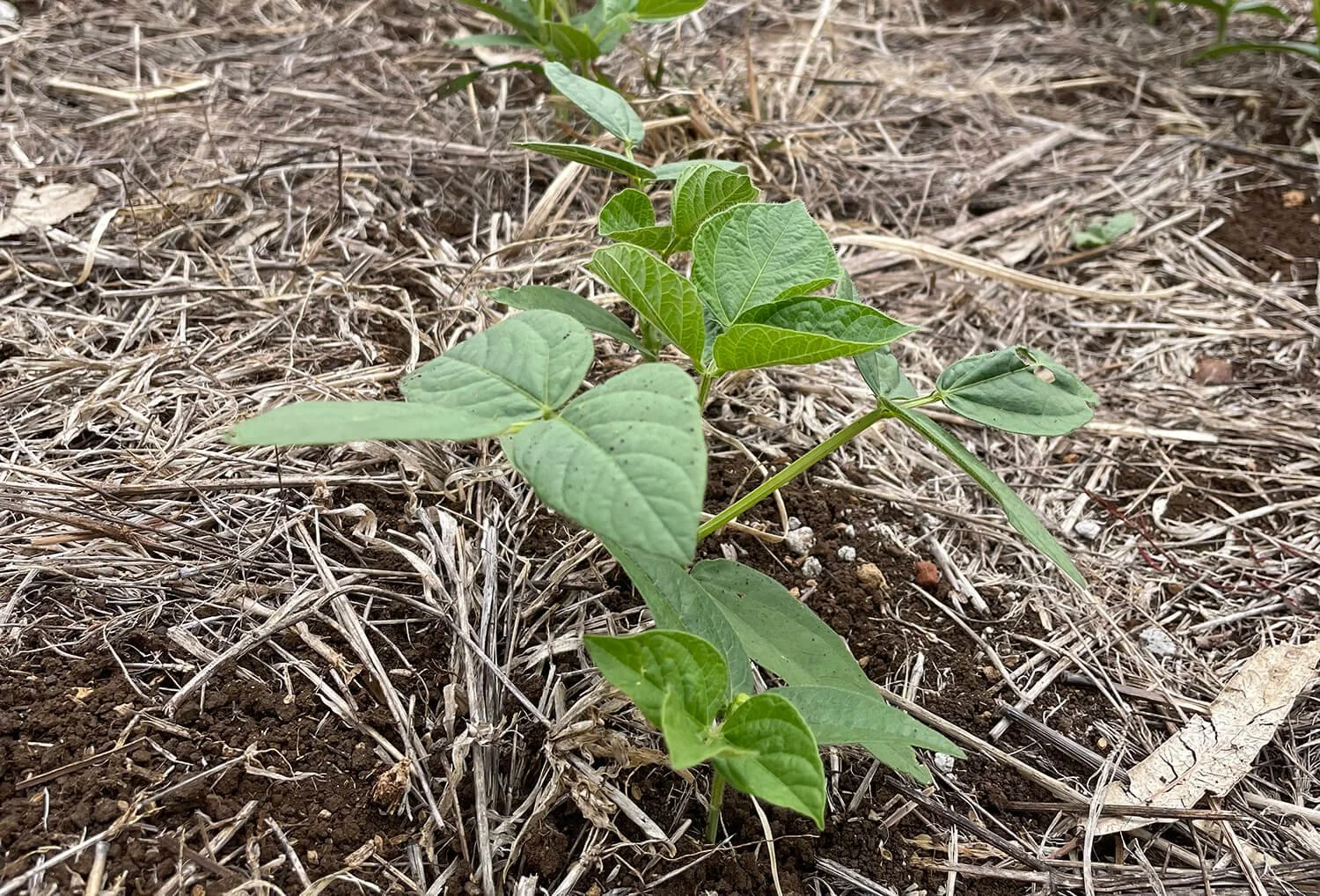
Biosolids are used on local farmland as a source of nutrients and organic carbon.
This practice has been occurring safely in the region for many years.

How does the Glan Devon Bio-Fertiliser Project work?
This project will use proven Xetrov vortex technology (already operating successfully in the UK) to create a high-grade heat process that treats biosolids to reduce odour and to create a drier, more reliable alternative to current biosolids land application.
The Xetrov vortex system turns non‑recyclable waste into the high-grade heat required to dry biosolids, reducing the need for fossil fuels.
Once dried, the biosolids are mixed with mineral nutrients to create custom balanced fertiliser tailored to support soil health and farm productivity.
Glossary of terms
Thermal processing - Thermal processing uses high temperatures to reduce the volume, destroy pathogens, and remove water from biosolids.
Non-recyclable waste -Materials that cannot economically be reprocessed into new products using current technology, generally ending up in landfill.
Waste to energy - the process of generating energy, typically in the form of electricity or heat, by treating waste materials through technologies like incineration, gasification, or anaerobic digestion. It reduces landfill waste and provides a sustainable energy source by converting non-recyclable materials into usable power, including for industrial processes.
Who uses biosolids?
download PDF
download PDF
download PDF
Frequently Asked Questions
Want to know more about the Glan Devon Bio-Fertiliser Project? Check out the FAQs. If there’s anything else you’d like to know, just ask by emailing XXX@gdbp.com.au
-
Description text goes here
-
Description text goes here
-
Description text goes here
Join us to learn more
Community events are scheduled at the following:
Webinar (link, time and details)
Morning coffee (place and time, coffee is on us)
Market stall (place and time, where in the market, come and talk to us)
Download the latest community bulletin here - link
Have your say
Council submissions are open until XXX XXX. To make a submission to Council, please email XXXX@ XXXXXXXXXXXXXXXXXX.
Submission process
Lorem ipsum dolor sit amet, consectetur adipiscing elit, sed do eiusmod tempor incididunt ut labore et dolore magna aliqua. Ut enim ad minim veniam, quis nostrud exercitation ullamco laboris nisi ut aliquip ex ea commodo consequat. Duis aute irure dolor in reprehenderit in voluptate velit esse cillum dolore eu fugiat nulla pariatur. Excepteur sint occaecat cupidatat non proident, sunt in culpa qui officia deserunt mollit anim id est laborum.