GLAN DEVON BIO-FERTILISER PROJECT
The Glan Devon Bio-Fertliser Project is a proposed facility designed to improve how biosolids are managed, while supporting local agriculture and Queensland's circular economy.
This first-of-a-kind project in Australia will convert biosolids into a dry, pelletised fertiliser ready for use on local farms.
Why here, why now?
A locally produced bio-fertiliser reduces freight dependence, retains value in the regional economy, and gives South Burnett farmers a more reliable supply to maintain local agriculture.
The project aims to improve how biosolids are managed in the South Burnett region and supports:

Sustainable farming
Waste reduction

Crop productivity

Creation of local jobs
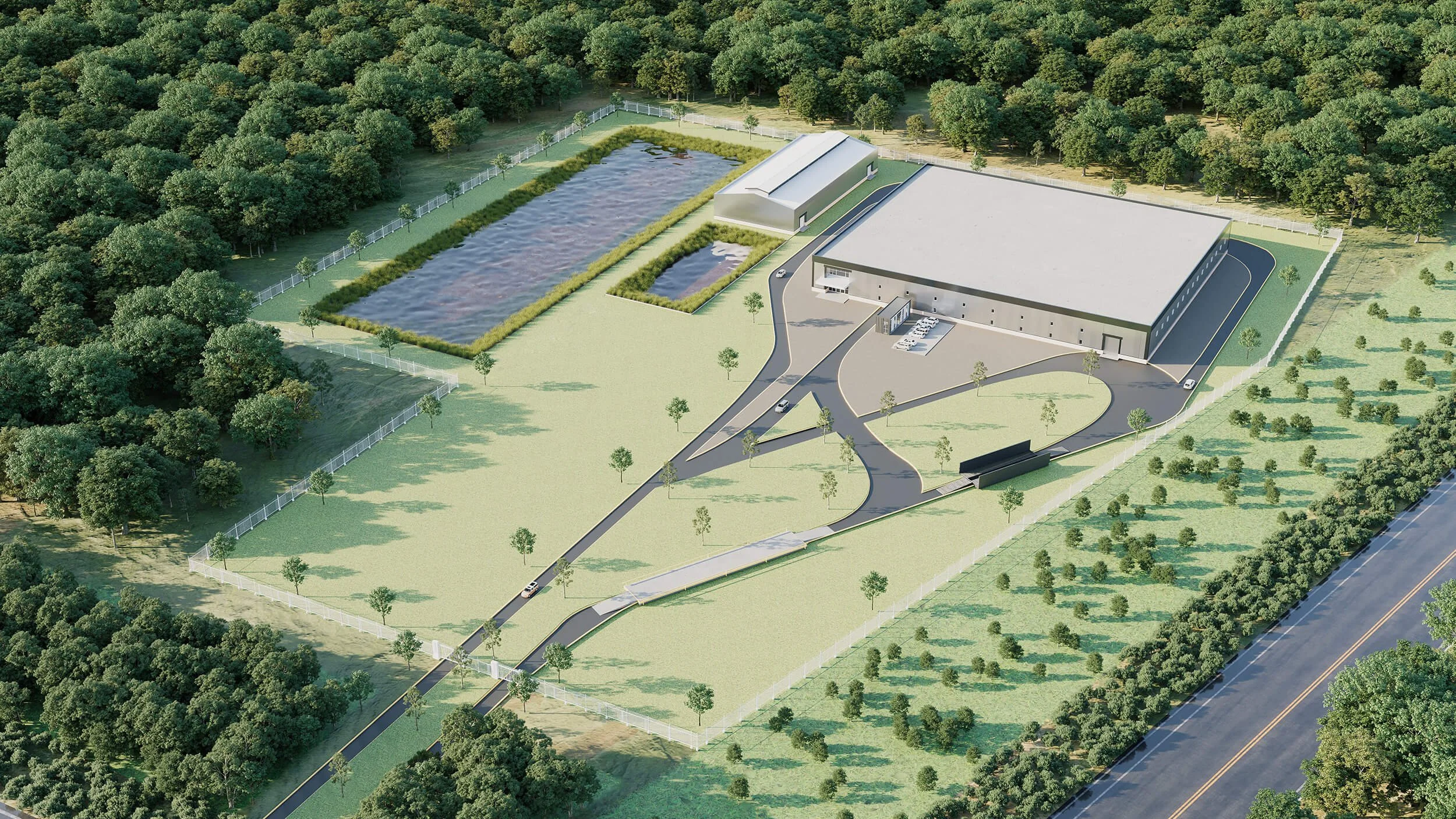
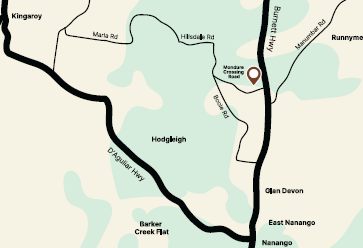
Proposed site design, located on the corner of Mondure Crossing Rd and Burnett Highway, Glan Devon
The Glan Devon Bio-Fertiliser Project Development Application is currently being assessed by Council.
The proposed facility is progressing through a structured Development Assessment process, which includes several statutory stages set by the Queensland Government.
Each stage has defined statutory requirements, timeframes and opportunities for stakeholders and the community to access information or provide feedback.
The Development Application process ensures that environmental, technical, planning and community considerations are formally assessed before a decision is made.
Currently, the application is with the South Burnett Council and the State Assessment and Referral Agency (SARA) for assessment. It will then move into a 15-business day Public Notification period.
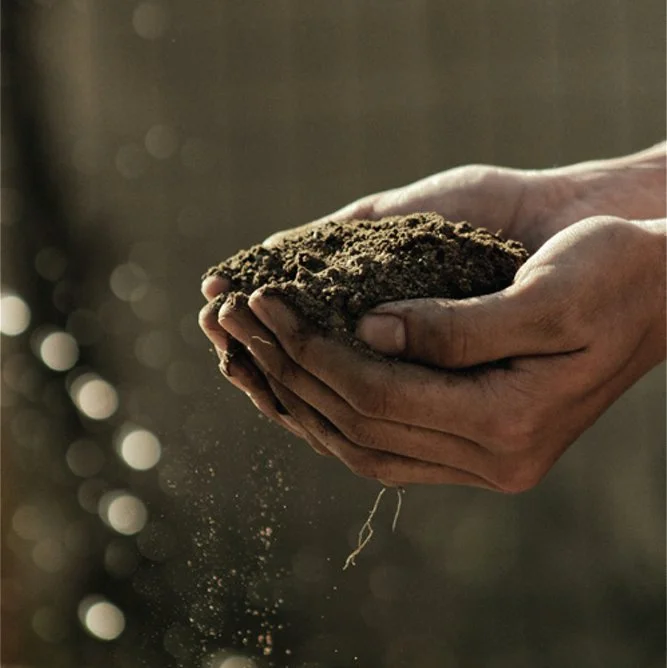
Project development application stages
*As part of the development process, we are currently working with the State Assessment and Referral Agency (SARA), the government agency responsible for assessing development applications that may impact public and state interests. SARA has requested further information from the Glan Devon Bio-Fertiliser Project.
This is not unusual and means we must respond to this request before the Council can review our Development Application. As a result, the Public Notification period, during which the community can formally submit feedback, has been delayed.
What are biosolids?
Biosolids are not raw sewerage. They are the safe, treated organic material that comes from cleaning wastewater at a licensed wastewater treatment plant.
Biosolids have been safely used in agriculture for over 25 years. Around 70% of the approximately 1.6 million tonnes of biosolids produced annually in Australia are already used in agriculture as soil conditioners and fertilisers.
How are biosolids currently used in the South Burnett region?
Over the past three years more than 100,000 tonnes have been applied to agricultural land and used by farmers in the South Burnett region as an alternative fertiliser, providing essential nutrients and long-term soil benefits for crops.
This is particularly relevant given Australia's significant reliance on imported fertiliser products. International supply chain disruptions, energy costs and global market conditions can have a direct impact on fertiliser availability and pricing.
How does the Glan Devon Bio-Fertiliser Project work?
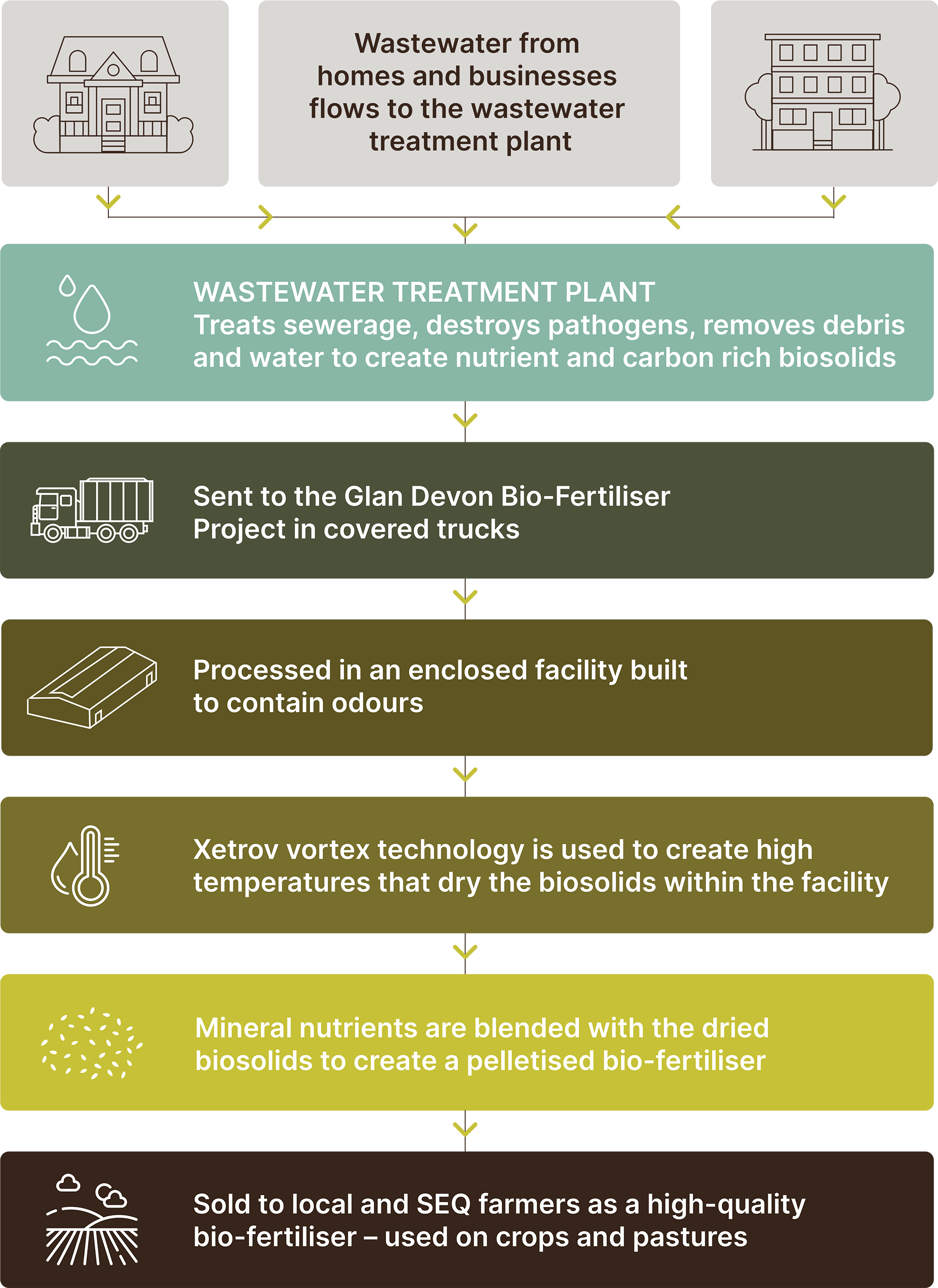
Learn more about the Xetrov vortex technology at www.xetrov.com/technology or download the factsheet below.

Glossary of terms
Non-recyclable waste - Materials that cannot economically be reprocessed into new products using current technology, generally ending up in landfill.
Not-recycled waste - Materials that can technically be recycled, but economics make it prohibitive, meaning these recyclable materials are sent to landfill instead.
Energy from waste - The process of generating energy, typically in the form of electricity or heat, by treating waste materials through technologies such as thermal processing, gasification, or anaerobic digestion. It reduces landfill and provides a sustainable energy source by converting non-recyclable or not-recycled materials with high energy content into usable power.
Thermal processing - Thermal processing of non-recyclable and not recycled waste uses high temperatures (over 1200 degrees C), compared to other technologies that cannot reach these high temperatures, it means we can reduce emissions and leave little to no solid residue.
Bio-fertiliser production - Energy is harvested from non-recyclable and not-recycled waste to dry biosolids into a form that can be spread by standard agricultural equipment.
Who uses biosolids?
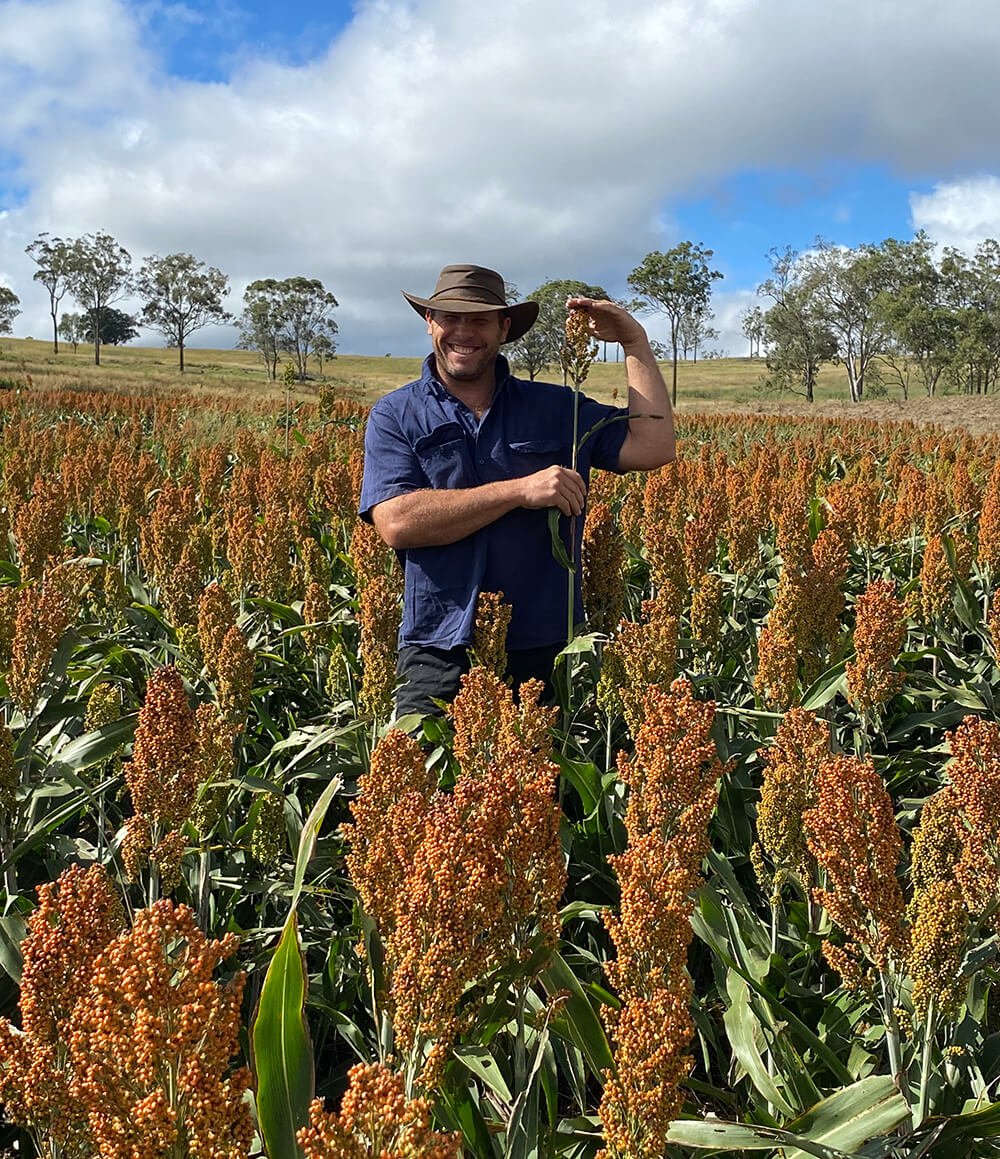
Renewing tired soil with waste.
Darren Schick
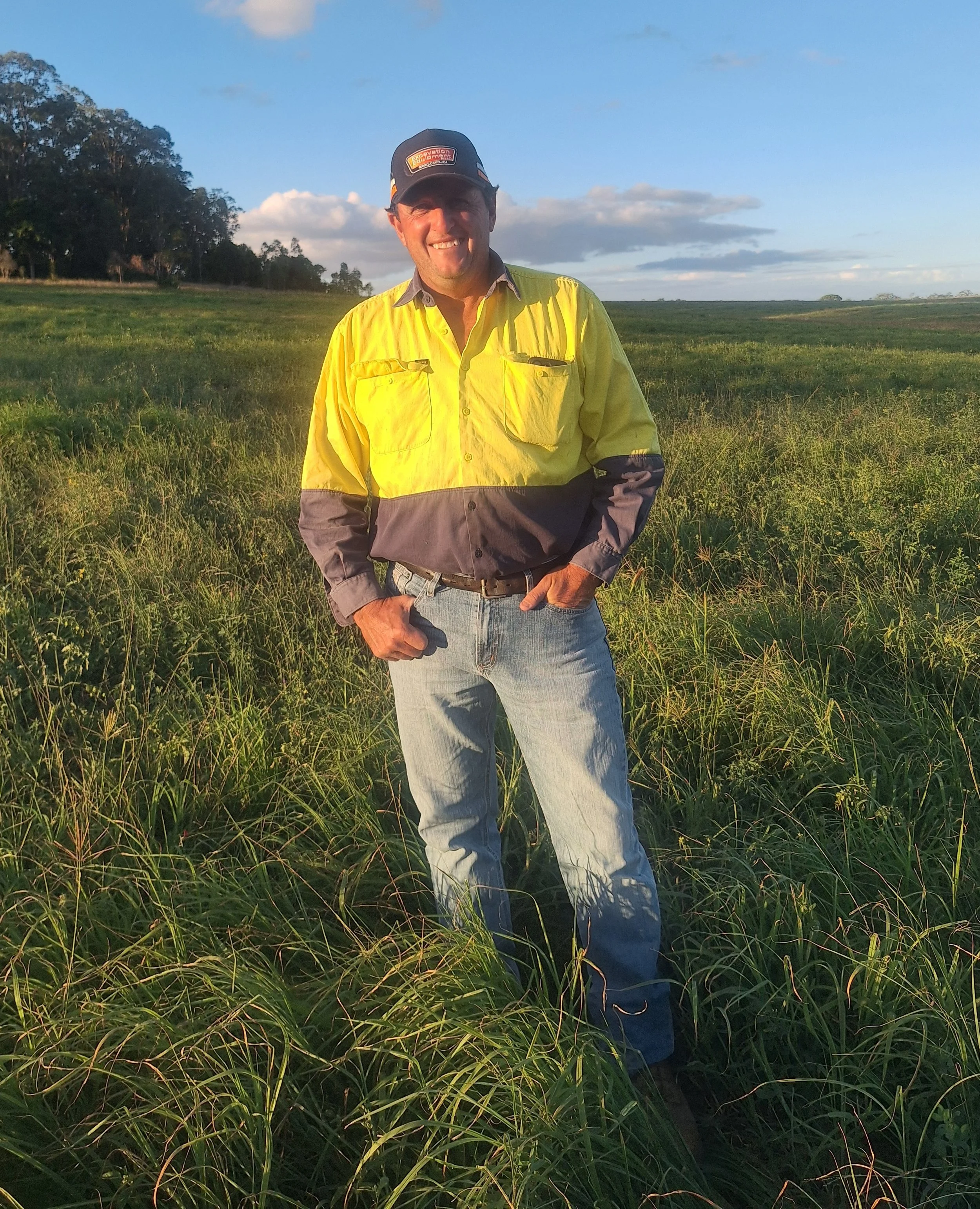
Scott Hodgson
Healing the soil, growing the future.
Frequently Asked Questions
Want to know more about the Glan Devon Bio-Fertiliser Project? Check out the FAQs or just ask by emailing info@gdbp.com.au
-
The project will produce a local, cost-effective agricultural fertiliser designed for use with standard farming equipment, such as spreaders and seeders, which can be stored for later use in broadacre cropping, pasture improvement, and soil conditioning.
International supply chain disruptions, energy costs and global market conditions can have a direct impact on fertiliser availability and pricing. By producing bio-fertiliser locally, the project aims to provide farmers with a reliable, locally sourced alternative, while helping strengthen regional supply resilience.
-
Biosolids trucks are already coming to the South Burnett and currently account for 4 of the estimated 246 trucks per day on the South Burnett Highway near Nanango.
We anticipate approximately 12 trucks would access the site per day if it reached full capacity. That is an increase of 4% of existing truck numbers over 4-5 years.
We have purposefully chosen a site adjacent to and with easy access to an existing B-double state haulage route to ensure regional roads are not used.
-
Yes! South Burnett's workforce has a strong base of trade and vocational skills aligned to plant operation, logistics and maintenance - the exact roles this facility needs.
-
We are actively working with local industries to source suitable materials with a useable energy content that cannot or is not being recycled, and additional biosolids. The aim is to source these from the South Burnett and neighbouring regions to help preserve limited landfill locally. This also helps to reduce disposal costs for local industries and Council.
All materials must comply with our emissions standards.
In the news
Farmers seek solution to mounting plastic waste problem
This recent ABC News article highlights the need for accessible and commercially viable agricultural plastic waste solutions, particularly for regional farming communities.
The article states that an estimated 100,000 tonnes of agricultural plastic waste is generated annually in Australia, with horticulture accounting for roughly two-thirds of that volume. Only 7 per cent is currently recycled.
The Glan Devon Bio-Fertiliser Project team is actively engaging with Council and local industries to understand opportunities to take non-recyclable and not-recycled agricultural waste away from landfill.
As a priority, we want to source waste materials for energy locally - helping to reduce local landfill and transport costs. If you are interested in discussing or have a potential local source for consideration, please email us at info@gdbp.com.au
Formal submission process
Public submissions to Council have been delayed due to an additional information request from the State Assessment and Referral Agency (SARA). We will update this page once we know more, however, please also check the South Burnett Regional Council’s Public Notification page for exact dates.
Once opened, Public Notification will be communicated through the following channels:
Direct neighbours will receive an official letter in their mailbox.
A sign will go up on site.
An official advertisement will be placed in the local paper.
The GDBP website will be updated.
South Burnett Regional Council will provide notification on their website.
To make a formal submission to Council within the prescribed timeframe, download the official form from the South Burnett Regional Council website.
Please read the Council instructions carefully and include the following information in your submission:
Proposal description: High Impact Industry (Bio-fertiliser Facility)
Applicant name: BYV Organics Pty Ltd C/- SMB Business Holding Pty Ltd
Application number: MCU26/0004
Address of application: Burnett Highway, Glan Devon